

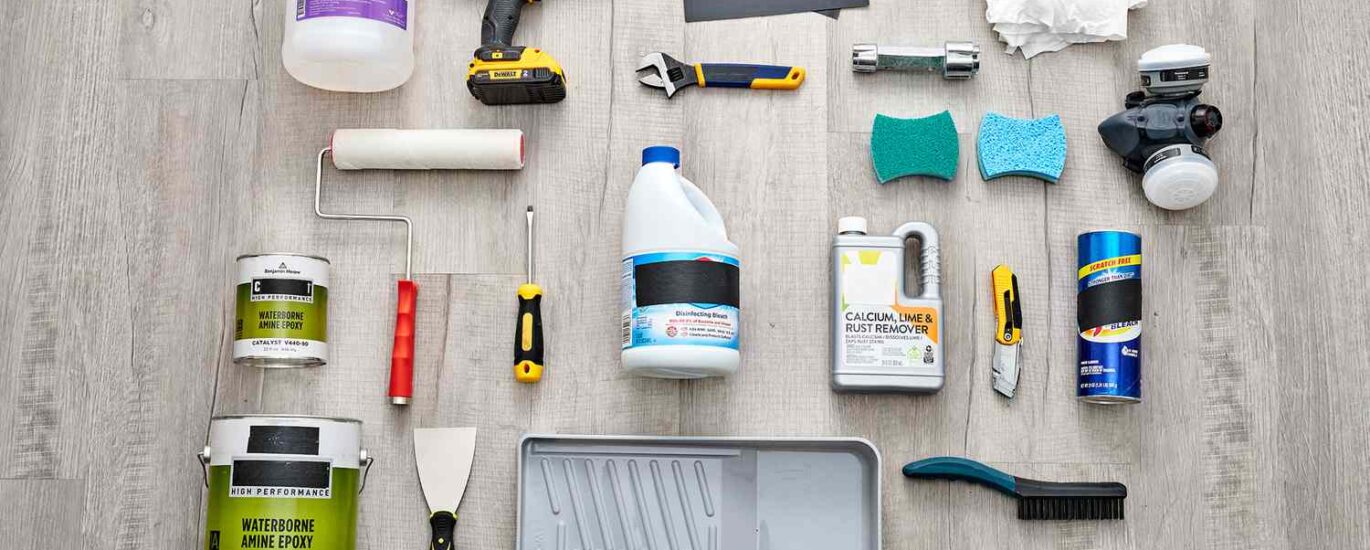
Painting and epoxy application are crucial for both aesthetic and functional purposes in various industries, from construction to automotive. The right tools can make all the difference in achieving professional-quality results. In this blog, we’ll cover the essential tools for painting and epoxy applications, their uses, and tips for optimal performance.
Why the Right Tools Matter
Using the correct tools ensures:
- Precision: Achieve a clean, even finish.
- Efficiency: Save time and effort during application.
- Durability: Improve the performance and longevity of paint or epoxy coatings.
Whether you’re a DIY enthusiast or a professional, investing in high-quality tools is the first step to success.
Essential Painting Tools
1. Brushes
- Flat Brushes: Ideal for large, flat surfaces.
- Angled Brushes: Great for corners and edges.
- Detail Brushes: Used for intricate designs and hard-to-reach spots.
Pro Tip: Use synthetic bristles for water-based paints and natural bristles for oil-based paints.
2. Rollers
- Foam Rollers: Best for smooth surfaces and finishing coats.
- Nap Rollers: Suitable for textured surfaces like walls and ceilings.
- Mini Rollers: Perfect for small areas and touch-ups.
Pro Tip: Choose the roller nap thickness based on the texture of your surface.
3. Paint Sprayers
- Airless Sprayers: Efficient for large-scale projects, like painting walls or fences.
- HVLP Sprayers (High Volume Low Pressure): Provide precise control for detailed work.
Pro Tip: Use paint sprayers for an even, streak-free finish on large surfaces.
4. Trays and Buckets
- Paint Trays: Essential for loading rollers.
- Buckets with Grids: Ideal for large projects, helping to evenly load paint on rollers.
Pro Tip: Use disposable tray liners for easy cleanup.
5. Tape and Masking Tools
- Painter’s Tape: Prevents paint from bleeding onto unwanted areas.
- Masking Tools: Quickly cover large surfaces like windows or furniture.
Pro Tip: Remove tape immediately after painting to avoid peeling.
6. Sanding Tools
- Sanding Blocks: For smoothing surfaces before painting.
- Orbital Sanders: Faster and more efficient for large areas.
Pro Tip: Always sand between coats for a smoother finish.
Essential Tools for Epoxy Applications
1. Mixing Tools
- Mixing Sticks or Paddles: For combining resin and hardener thoroughly.
- Electric Mixers: Recommended for large batches of epoxy.
Pro Tip: Use a slow-speed mixer to prevent air bubbles in the mixture.
2. Application Tools
- Epoxy Spreaders: For even distribution on horizontal surfaces.
- Notched Trowels: Create uniform thickness for flooring or countertops.
- Brushes: For detailing and edges during epoxy application.
Pro Tip: Use foam brushes to minimize brush marks on epoxy surfaces.
3. Rollers for Epoxy
- Epoxy-Compatible Rollers: Ensure even spreading without breaking down due to chemicals.
- Short Nap Rollers: Ideal for applying thin epoxy layers.
Pro Tip: Avoid lint-producing rollers to maintain a clean finish.
4. Heat Guns or Torches
- Purpose: Remove air bubbles from freshly poured epoxy.
- Tips: Use in a sweeping motion to avoid overheating or scorching the surface.
5. Leveling and Measuring Tools
- Spirit Levels: Ensure a perfectly flat surface for pouring epoxy.
- Measuring Cups: Maintain the correct resin-to-hardener ratio for proper curing.
Pro Tip: Always follow the manufacturer’s mixing guidelines to avoid improper curing.
6. Safety Gear
- Gloves: Protect hands from chemicals and solvents.
- Goggles: Shield eyes from splashes.
- Respirators: Essential when working with epoxy or solvent-based paints in poorly ventilated areas.
Tips for Choosing the Right Tools
- Match the Tool to the Project
For detailed work, prioritize precision tools like brushes or HVLP sprayers. For large-scale projects, opt for rollers or airless sprayers. - Invest in Quality
High-quality tools may cost more upfront but save time and effort in the long run. - Maintain Your Tools
Clean brushes, rollers, and sprayers immediately after use to extend their lifespan.
Conclusion
Painting and epoxy applications demand the right tools to achieve professional-quality results. Whether it’s brushes for detailed work, sprayers for efficiency, or heat guns for bubble removal, the tools you choose will directly impact the quality of your finish. By investing in high-quality, purpose-driven tools and following proper maintenance practices, you can ensure that your projects are durable, visually appealing, and stand the test of time.
Pro Tip: Before starting any project, create a checklist of necessary tools and ensure you have the appropriate safety gear to work efficiently and safely.
