
Selecting the right waterproofing solution for your project is crucial to ensure long-term durability and protection against water damage. Here’s a step-by-step guide to help you choose the most appropriate solution based on your project requirements:
1. Understand the Waterproofing Needs of Your Project
Key Considerations:
- Type of Structure: Is it a residential, commercial, or industrial building?
- Location: Assess whether the area is prone to heavy rainfall, groundwater, or high humidity.
- Application Area: Identify specific areas requiring waterproofing (e.g., roofs, basements, bathrooms, balconies, exterior walls).
2. Evaluate the Types of Waterproofing Solutions
Common Waterproofing Methods:
- Cementitious Waterproofing
- Best for: Bathrooms, kitchens, water tanks, and basements.
- Pros: Easy to apply, economical, and durable for interior use.
- Cons: Limited flexibility; not ideal for areas with structural movement.
- Liquid Waterproofing Membranes
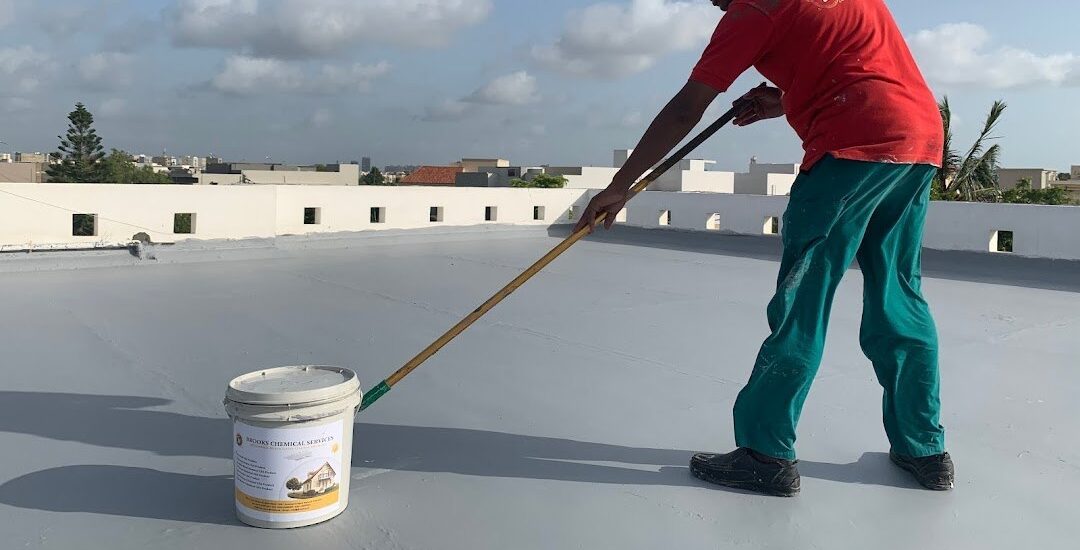
- Best for: Roofs, terraces, and complex surfaces.
- Pros: Flexible, seamless, and easy to apply.
- Cons: Requires skilled application for best results.
- Bituminous Waterproofing
- Best for: Foundations, basements, and under asphalt roads.
- Pros: High durability and water resistance.
- Cons: Susceptible to UV degradation; requires protection layers.
- Polyurethane Waterproofing
- Best for: Roofs, balconies, and exposed areas.
- Pros: Highly flexible, UV-resistant, and ideal for harsh environments.
- Cons: Higher cost compared to other methods.
- Crystalline Waterproofing
- Best for: Concrete structures like basements and tunnels.
- Pros: Self-healing properties, permanent water resistance, and low maintenance.
- Cons: Limited to concrete applications.
3. Analyze Environmental Factors
Questions to Ask:
- Is the area exposed to UV rays, extreme heat, or freezing temperatures?
- Does the site experience heavy rainfall or flooding?
- Is the groundwater level high, leading to seepage risks?
Tip: Choose solutions that offer chemical and weather resistance for harsh environments, such as polyurethane or bituminous waterproofing.
4. Consider Longevity and Maintenance
Key Points:
- For low-maintenance solutions, opt for crystalline or polyurethane waterproofing.
- Check the product’s lifespan and warranty.
- Evaluate ease of repair in case of damage.
5. Assess Surface Type and Material Compatibility
Surface-Specific Solutions:
- Concrete: Crystalline or cementitious waterproofing.
- Metal: Polyurethane or bituminous coatings to prevent corrosion.
- Wood: Liquid membranes or flexible waterproof coatings.
6. Budget and Cost-Effectiveness
Key Tips:
- Balance cost with quality; cheaper options may lead to higher long-term expenses.
- For large-scale projects, consider high-performance solutions that reduce maintenance costs.
7. Consult Professionals and Manufacturers
- Work with experienced waterproofing contractors for proper evaluation and application.
- Choose products from reputable brands with proven track records.
8. Test Before Finalizing
- Conduct a water leakage test or apply a small patch of the product to evaluate its performance.
- Ensure that the solution adheres well to the surface and meets your requirements.
Conclusion
Choosing the right waterproofing solution involves understanding your project’s specific needs, the environmental conditions, and the surface type. With a strategic approach, you can protect your structure against water damage and ensure its durability for years to come.
Pro Tip: Always prioritize quality over cost when it comes to waterproofing—investing in the right solution now can save you from costly repairs later.
4o